

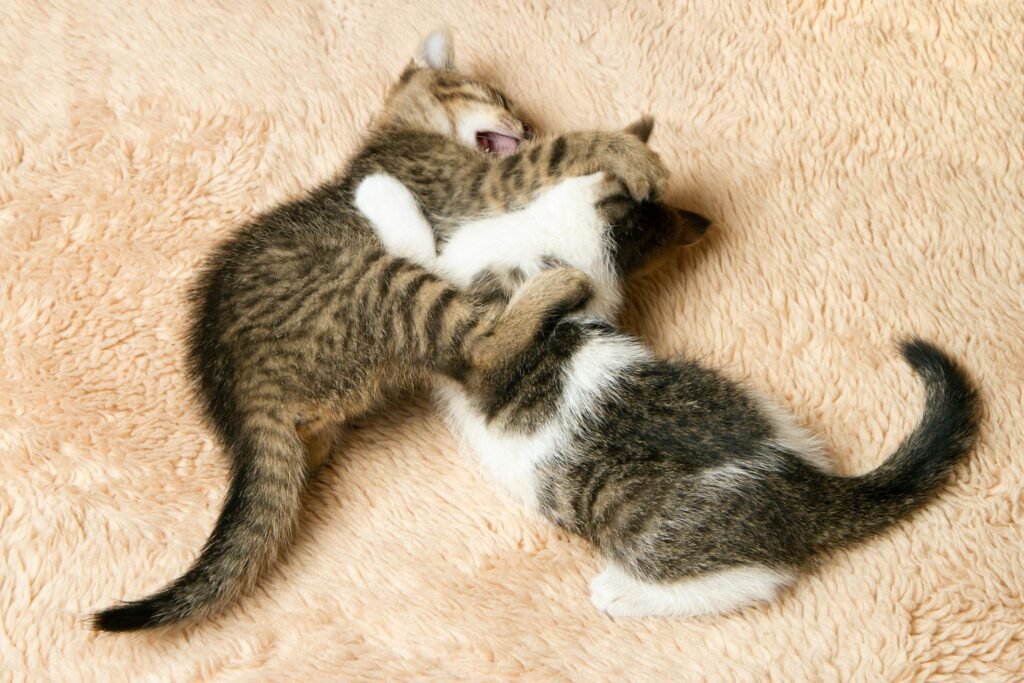
What Is Single Kitten Syndrome? And Do Cats Really Need a Second Cat?
Published: March 5, 2026
If you’re adopting a kitten, you’ve probably heard the phrase “single kitten syndrome.” Many shelters and cat experts suggest adopting two kittens instead of one. But is this actually necessary?
Some people swear that kittens raised alone develop behavior problems, while others say a single kitten can grow up perfectly happy.
In this guide, we’ll break down:
What single kitten syndrome really means
Signs a kitten may need a companion
When adopting two kittens is better
Situations where one kitten is completely fine
What Is “Single Kitten Syndrome”?
Single kitten syndrome refers to behavioral issues that may develop when a kitten grows up without another kitten to play and socialize with.
Kittens learn important social skills through playing with littermates, including:
Bite control
Boundaries during play
Communication through body language
How to release energy safely
Without another kitten, some cats may redirect their play aggression toward humans.
However, it’s important to note:
Single kitten syndrome is not a medical diagnosis
Many single kittens grow up perfectly well-adjusted
Environment and stimulation matter just as much as companionship
Common Signs of Single Kitten Syndrome
Not every single kitten develops these behaviors, but they are sometimes reported by owners.
1. Play Aggression Toward Humans
Kittens have a lot of energy. Without another kitten to wrestle with, they may:
Bite hands or feet
Pounce on ankles
Scratch during play
This usually happens because humans become their only playmate.
2. Excessive Zoomies or Hyperactivity
Kittens naturally have bursts of energy, but a single kitten may show:
Constant zoomies
Climbing curtains or furniture
Knocking objects over
This can simply be pent-up energy with nowhere to go.
3. Boredom and Attention Seeking
A lonely kitten may become:
Extremely clingy
Vocal or demanding
Destructive when left alone
Indoor cats especially need mental enrichment and stimulation.
Why Some Experts Recommend Adopting Two Kittens
Many shelters promote “two kittens are better than one.” Here’s why.
1. Built-In Playmate
Two kittens can:
Wrestle and chase each other
Burn energy together
Practice hunting behaviors
This often reduces aggressive play toward humans.
2. Social Development
Kittens teach each other:
Bite inhibition
Boundaries during rough play
Social communication
These skills can help them grow into well-adjusted adult cats.
3. Less Boredom
A pair of kittens can entertain each other when you’re busy or at work.
Benefits include:
Less loneliness
Reduced destructive behavior
More natural play
When One Kitten Is Totally Fine
Despite the debate, millions of cats grow up happily as single pets.
A single kitten may be perfect if:
You work from home
You can provide daily interactive play
The kitten shows a calmer personality
You already have another friendly pet
Adult cats in the home can sometimes act as a mentor or playmate.
How to Prevent Behavior Problems With a Single Kitten
If you choose to adopt one kitten, you can still prevent many common issues.
Provide Daily Interactive Play
Kittens need at least 2–3 play sessions per day.
Good toys include:
Feather wand toys
Laser pointers
Interactive motorized toys
These mimic natural hunting behavior.
Create an Enriching Environment
Indoor kittens thrive when they have:
Cat trees or climbing shelves
Window perches for bird watching
Puzzle feeders
Rotating toys
This helps reduce boredom and excess energy.
Avoid Using Hands as Toys
Never encourage kittens to attack your hands.
Instead:
Use toys to redirect play
Stop play if biting begins
Reward gentle behavior
This teaches healthy play boundaries.
Should You Adopt One Kitten or Two?
There’s no universal rule. The right choice depends on your home environment, time, and lifestyle.
Two kittens may be best if:
You’re away from home often
You want built-in companionship
The kittens already bond well together
One kitten may be ideal if:
You can provide daily play and enrichment
You prefer a single-pet household
The kitten shows independent behavior