

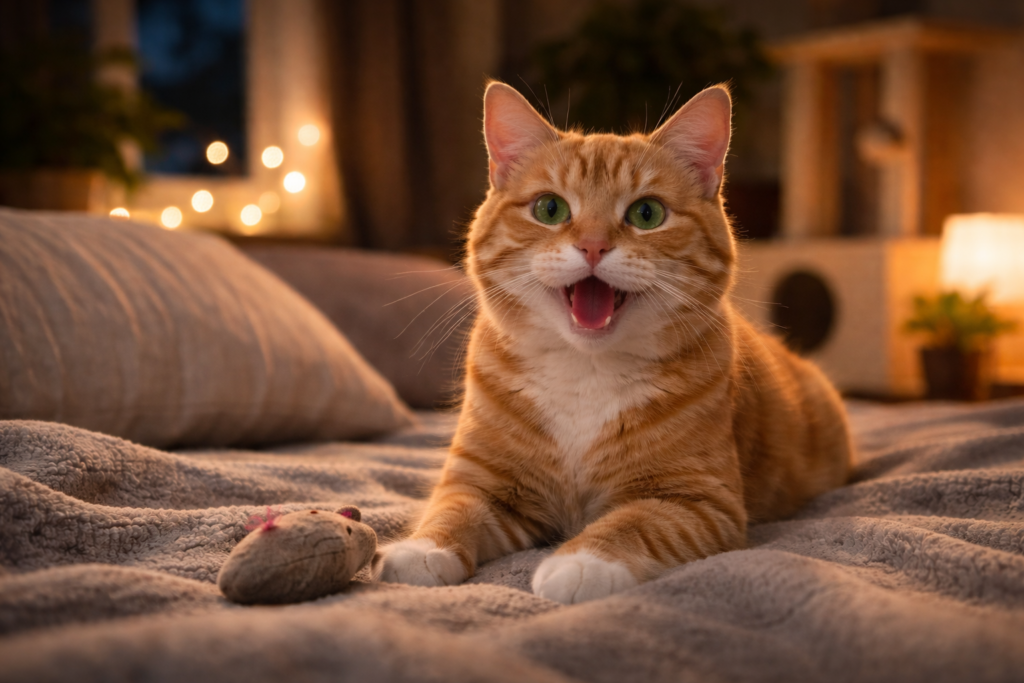
Why Is My Cat So Clingy, Vocal, or Crazy at Night? Trending Cat Behavior Questions Answered
Published: March 12, 2026
If you’ve recently Googled questions like “Why is my cat suddenly so clingy?”, “Why does my cat run around at night?”, or “Why won’t my cat stop meowing?” — you’re not alone.
Search trends show that cat owners are increasingly concerned about behavior changes, especially as seasons shift, routines evolve, and indoor lifestyles become more common. Understanding what’s normal feline behavior (and what isn’t) can help you respond with confidence instead of frustration.
Here are some of the most searched cat behavior questions right now — and what they really mean.
🐾 Why Is My Cat Suddenly So Clingy?
Many cats become more affectionate due to environmental or emotional changes. This can include seasonal light shifts, household schedule changes, stress, or simply stronger bonding habits.
Common reasons for clingy behavior:
You’re home more (or less) than usual
Weather changes affecting comfort or sleep patterns
Mild anxiety or boredom
Aging-related reassurance seeking
Hormonal cycles in unspayed cats
What helps:
Maintain predictable routines
Offer cozy resting spots near where you spend time
Provide enrichment toys to balance attention needs
Clinginess is often harmless — but sudden extreme dependence paired with lethargy or appetite changes should be discussed with a vet.
🌙 Why Does My Cat Get the “Night Zoomies”?
Cats are naturally crepuscular, meaning they are most active at dawn and dusk. Modern indoor life can intensify this instinct, especially when daytime stimulation is limited.
Triggers for nighttime bursts of energy:
Pent-up hunting instinct
Insufficient daytime play
Feeding schedules that don’t align with activity cycles
Seasonal increases in daylight
How to reduce midnight chaos:
Schedule an intense play session before bedtime
Feed a small meal after play to mimic a natural hunt-eat-sleep rhythm
Use puzzle feeders or automated toys
A tired cat is usually a quieter nighttime companion.
📢 Why Is My Cat Meowing More Than Usual?
Increased vocalization is one of the fastest-rising cat search concerns. Cats may meow more due to communication needs, environmental stimulation, or subtle stress signals.
Possible causes include:
Hunger or routine disruptions
Seeking attention or play
Window wildlife excitement
Seasonal mating instincts
Cognitive changes in senior cats
Pay attention to context. Meowing at specific times often indicates learned patterns rather than medical issues.
🧠 Is My Indoor Cat Bored?
Behavior searches about “depressed” or “lazy” cats are trending as more owners recognize the importance of mental enrichment. Indoor cats require structured stimulation to stay emotionally balanced.
Signs of boredom:
Over-sleeping or low curiosity
Overgrooming or mild destructive habits
Increased food obsession
Random bursts of hyperactivity
Simple enrichment upgrades:
Rotate toys weekly to maintain novelty
Create vertical territory like shelves or cat trees
Add window perches for nature watching
Introduce short daily interactive play sessions
Mental stimulation is just as essential as nutrition for feline wellbeing.
❤️ When Should I Actually Worry About Behavior Changes?
While many behavior shifts are normal, certain signs warrant professional advice.
Seek veterinary guidance if you notice:
Sudden aggression or hiding
Major appetite or weight changes
Litter box avoidance
Persistent lethargy
Vocalizing in pain-like tones
Cats instinctively mask illness, so noticeable behavioral differences can be early warning signals.
🌟 Final Thoughts
Trending cat behavior questions reflect a positive shift — owners are paying closer attention to their pets’ emotional and psychological needs. By understanding instinct-driven habits like nighttime activity, seasonal clinginess, and increased vocalization, you can create a calmer, more enriching home environment.
With consistent routines, engaging play, and thoughtful observation, most behavior concerns can be managed naturally — strengthening the bond between you and your cat along the way.
Small daily adjustments often lead to big improvements in your cat’s happiness — and your peace of mind.